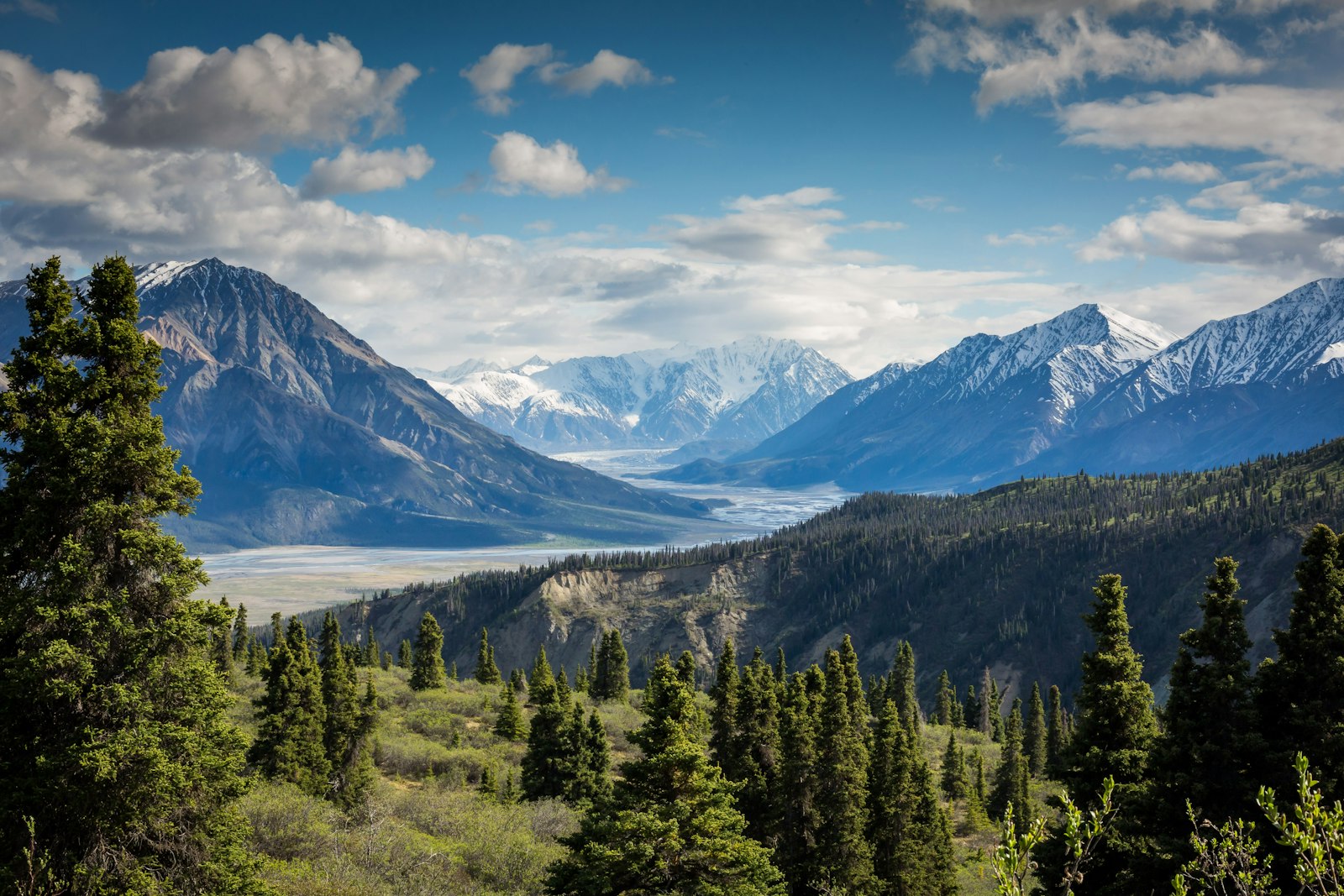
The difference between a great multi-day trek and a miserable one isn't fitness level — it's preparation. We've seen ultramarathon runners bail on Day 2 and 60-year-old grandmothers complete the same route with a smile. Here's what actually matters.
A multi-day trek — anything from 2 nights in the backcountry to a 20-day mountaineering expedition — is one of the most rewarding experiences travel offers. It is also one of the most punishing if you go in unprepared. This is the guide we wish we'd had before our first time.
8 Weeks Out: Training
You don't need to be a runner. You need to be able to walk uphill with weight on your back for 6–8 hours at a moderate pace. That's it. The training formula:
- Weeks 1–2: 3 walks/week, 60–90 minutes, flat terrain, daypack only (10–12 lbs)
- Weeks 3–4: 3 walks/week, 90–120 minutes, add hills where possible
- Weeks 5–6: 2 walks/week + 1 longer day hike (4–6 hours), full pack weight
- Weeks 7–8: Back-to-back day hikes on a weekend (Saturday + Sunday) with full pack. This is the most important training — walking tired legs on Day 2 is a skill.
Core strength matters more than cardiovascular fitness on technical terrain. Add 15 minutes of planks, glute bridges, and single-leg squats to every training day.
The Gear That Actually Matters
"The best gear is gear you've used before. Never, ever take new boots on a multi-day trek."
| Item | What to Get | Priority |
|---|---|---|
| Boots | Waterproof leather or Gore-Tex, ankle support, broken in 40+ miles | Critical |
| Rain jacket | Hardshell Gore-Tex or equivalent. Not a softshell. Not a "water resistant" jacket. | Critical |
| Base layers | Merino wool, not cotton. Two sets. Cotton kills in wet/cold conditions. | Critical |
| Trekking poles | Carbon fibre if budget allows. Foldable for packing. Saves knees on descents. | High |
| Pack | 40–55L for 3–5 days. Fit matters more than brand. Try loaded at the shop. | Critical |
| Sleeping bag | Temperature rated 5°C below the lowest expected night temperature | Critical |
| Headlamp | 400+ lumens, spare batteries. Your phone torch is not a headlamp. | High |
| First aid kit | Blister kit (Compeed), pain relief, antihistamine, bandages, electrolytes | High |
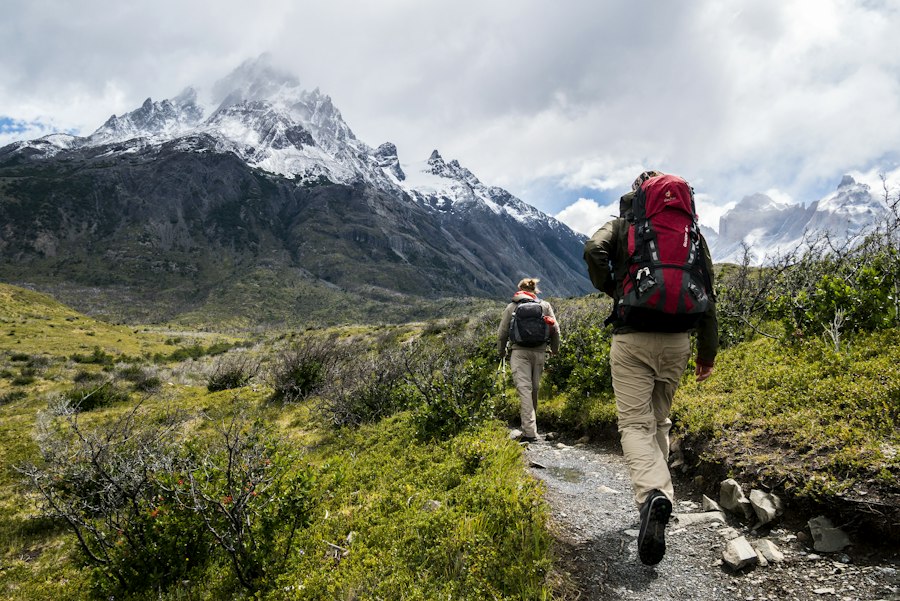
Packing light without skimping on safety is the skill that takes experience to develop.
Food Planning: The Calorie Math
Most first-timers underpack food. Trekking burns 400–700 calories per hour depending on terrain and pack weight. For a 7-hour day, plan for 3,000–4,000 calories. That's a lot of food by volume.
The best trail food by calorie-to-weight ratio:
- Nuts and nut butter (180 cal/oz) — carry in squeeze tubes for easy access
- Chocolate (150 cal/oz) — not the healthy kind
- Hard cheese (110 cal/oz) — keeps 4–5 days without refrigeration
- Tortillas (90 cal/oz) — lighter than bread, more versatile
- Freeze-dried meals (400–700 cal/meal) — just add boiling water
- Instant oats + protein powder for breakfast (300 cal, ready in 5 minutes)
Navigation: Don't Trust Just Your Phone
Download offline maps on Maps.me or Gaia GPS before you lose cell signal. Screenshots of the route are a backup, not a primary navigation tool. Carry a paper map of the area if you're going into serious backcountry. Tell someone your route and expected return date before you leave.
The Mental Game
The hardest part of any multi-day trek isn't physical — it's mental. Specifically, it's the moment around Day 2, afternoon, when your feet hurt and you're wet and there are still 8km to camp. This moment comes for everyone, every time. The people who finish well are the ones who have a strategy for it.
Ours: break the day into 45-minute segments. Walk 45 minutes, stop for 5 minutes, snack, drink water, walk again. Don't think about the whole day. Think about the next 45 minutes. This sounds simple because it is simple. It also works.
Blisters: The #1 Cause of Ruined Treks
- Wear liner socks under your trekking socks
- Stop and treat hot spots before they become blisters — 5 minutes now saves 2 days of agony
- Carry Compeed (hydrocolloid) blister plasters — they're the only ones that actually work
- If boots fit perfectly in a shop, they won't fit perfectly on a trail under load. Break them in.
Our team has completed long-distance trails on four continents. We test gear so you don't waste money on things that fail at altitude. Instagram: @TripsyTravel


