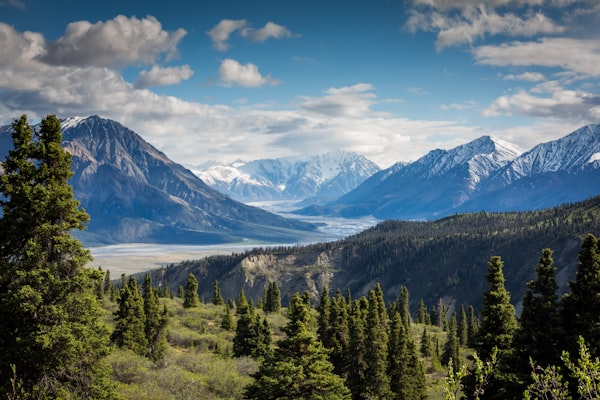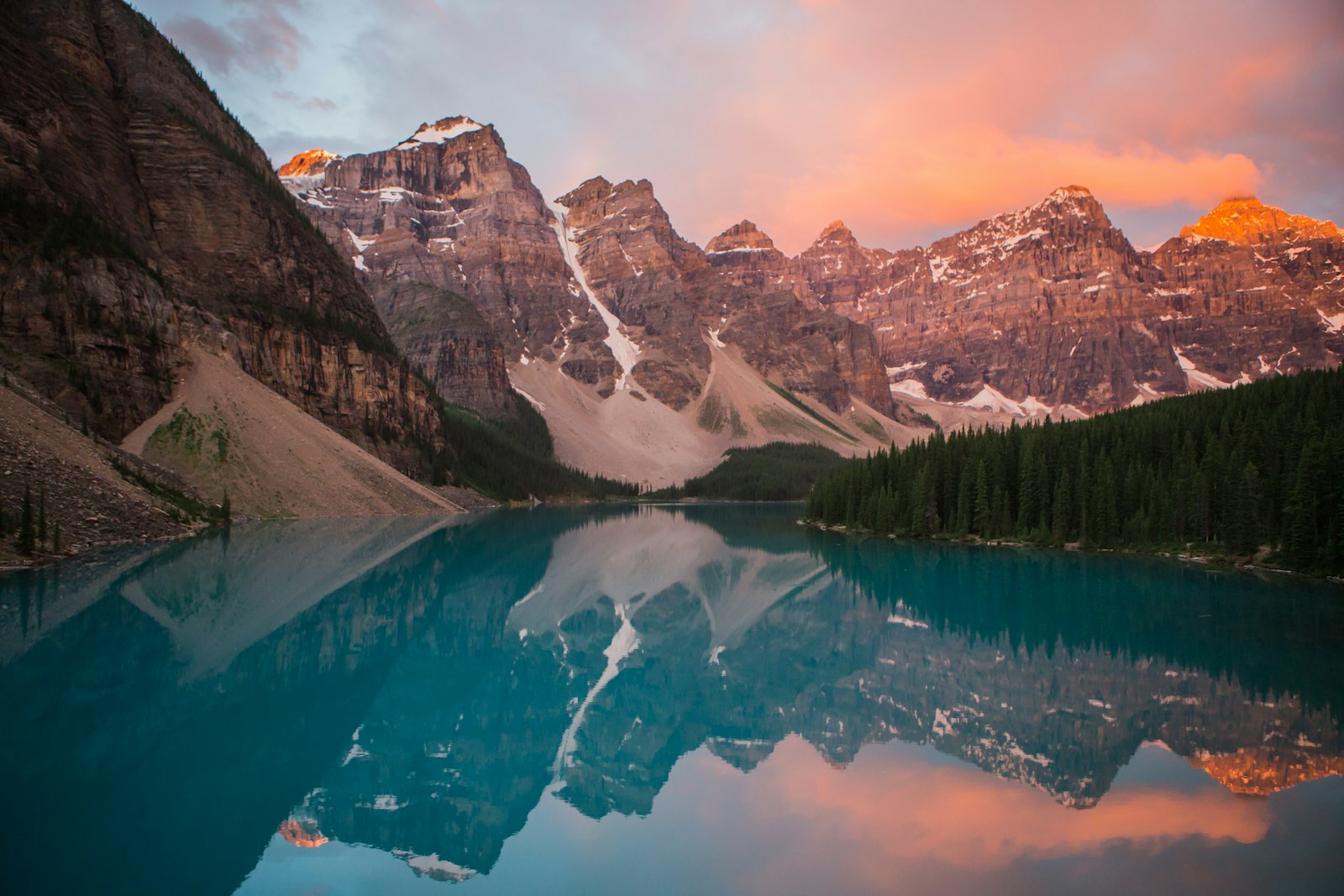
There is no preparing for the moment the clouds part and Torres del Paine reveals itself. You've hiked four hours. Your lungs hurt. You're soaked from a surprise squall. And then: three granite towers, 2,800 metres of raw rock, reflecting in a lake the color of frozen sky. I sat down and cried. Alone. On a mountain. And it was completely correct.
I went to Patagonia alone. My partner didn't want to come — "too remote, too cold, too expensive." Friends had various versions of the same excuse. So I bought a one-way flight to Punta Arenas, booked campsites three months in advance (this is non-negotiable — the good ones sell out), and spent 28 days in a place that operates by different rules than the rest of the world.
This is what happened.
Puerto Natales is a small, wind-battered town that serves as the gateway to Torres del Paine. It exists, effectively, to supply trekkers. There's one main street, several gear shops (rent trekking poles here — $8/day, worth it), one excellent pasta restaurant (La Mesita Grande), and a hostel culture where you'll meet your fellow sufferers before you suffer together. I spent two days here sorting gear, buying food, and trying to emotionally prepare. I was not successful at the last one.
The W Trek is a roughly 75km route that traces a W-shape through the park. Most people do it in 5 days. I had booked 8 days, which was the right call. The first day is a relatively gentle walk along Lago Grey, past floating blue icebergs calved from the Grey Glacier. You hear the glacier before you see it — a sound between a groan and a crack that echoes across the water. I kept stopping to stare. I was slow. That was fine.
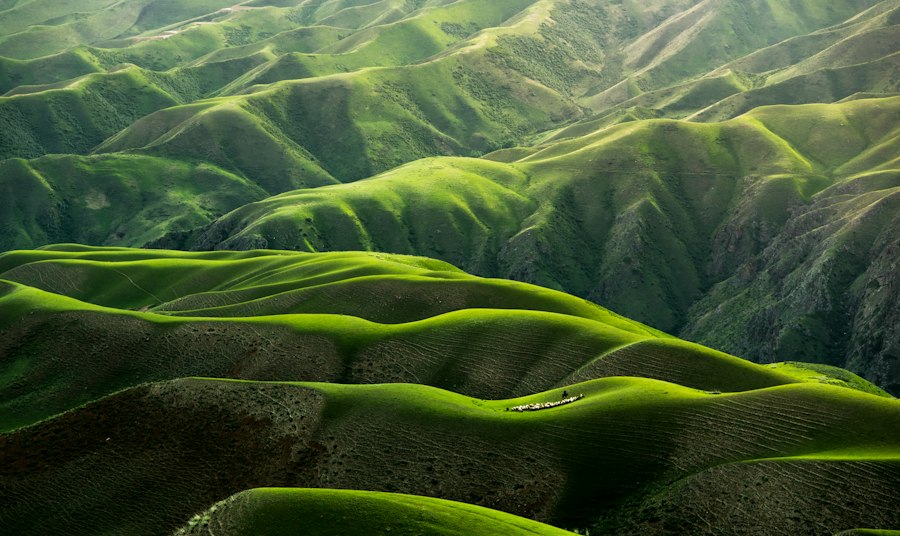
Grey Glacier — icebergs break off and float across the lake in shades of white and electric blue.
The Day Everything Went Wrong
Day 5. Valley of the Winds. A Patagonian storm arrived with no warning — which is to say, exactly as expected. Wind speeds later estimated at 80+ km/h. My tent, pitched with four stakes and two rocks on the guy lines, survived. The tent next to mine did not. I spent six hours in my sleeping bag reading, listening to the sound of the world coming apart outside, and feeling, despite everything, extraordinarily content.
"Patagonia is a place that will test you physically and leave you spiritually rearranged. You go in as whoever you were and come out as whoever you're supposed to be."
The Mirador Las Torres requires a 4-hour climb from the nearest campsite. You start before dawn. The path goes through forest, then boulder field, then scree, then a final scramble over rocks the size of furniture. And then there is the lake, and there are the towers, and there is the silence except for the wind and one person somewhere quietly sobbing (it was me again). I stayed for two hours. Three other hikers arrived. We didn't speak. There was nothing to say.
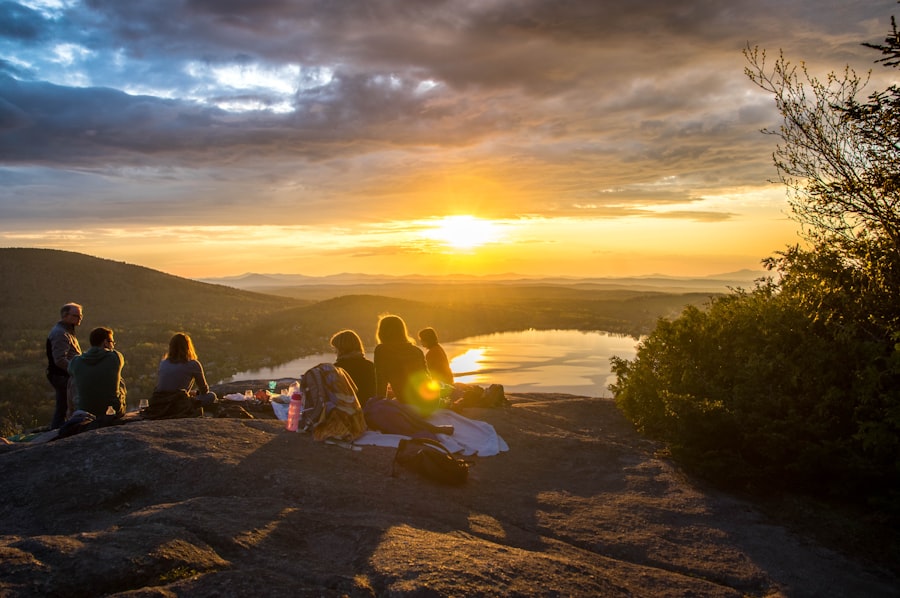
The towers at first light — the alpenglow on the granite is a sight that changes you.
Practical: Planning Your Patagonia Trip
When to Go
November through March is the main season (Southern Hemisphere summer). December and January are peak — book campsites 4–6 months ahead. My sweet spot was November: fewer people, more dramatic light, occasional snow at altitude. February means more consistent weather but much more company.
Permits and Booking
CONAF (Chile's national park authority) controls campsite bookings for the W Trek and O Circuit. Book through the official website the moment your travel dates are fixed. The most popular sites (Camping Torres, Camping Paine Grande) sell out within hours of opening. Set an alarm.
Gear Essentials
- Tent: 4-season rated or at minimum a 3-season tent with excellent wind resistance. I used a Big Agnes Copper Spur — excellent but barely survived day 5.
- Layers: Base layer, mid-layer fleece, windproof hardshell, and a down jacket for evenings. Weather changes in 20 minutes.
- Boots: Waterproof, ankle support, broken in before you arrive. Do not bring new boots.
- Trekking poles: Non-negotiable. The crossings and descents will destroy your knees without them.
- Food: Refugios sell meals ($20–35) but it's cheaper to self-cater. I carried instant oats, tortillas, cheese, dried fruit, chocolate, and freeze-dried dinners. 2,500 calories/day minimum.
Budget
- Park entrance fee: CLP 28,000 (~$30) per day or CLP 112,000 for multi-day
- Campsites: $10–35/night depending on site and season
- Food (self-catered): $15/day
- Transport (bus from Puerto Natales to park): $15 each way
- Total 8-day trek: ~$400–500 excluding getting to Punta Arenas
Marco is a long-distance hiker and travel writer who specializes in remote destinations. He has completed the Appalachian Trail, the Tour du Mont Blanc, and now Patagonia. He believes in going slow and going alone. Instagram: @marco.onfoot