Bali isn't just a destination — it's a feeling. But to find the real Bali, you need to leave the infinity pools of Seminyak and the café-lined streets of Canggu behind. The island's soul lives in its villages, its ceremonies, and its jungle-wrapped waterfalls.
I've been to Bali four times. The first time, I did what everyone does: Kuta Beach, the Ubud Monkey Forest, a rice terrace selfie at Tegalalang. It was fine. Beautiful, even. But I felt like I was watching Bali through glass — the tourist version, cleaned and polished for export. It wasn't until my third trip that I finally understood what this island actually is.
Here's everything I know about getting under Bali's skin.
Getting the Timing Right
Bali has two seasons: dry (April–October) and wet (November–March). The sweet spot is May–June or September–October — you get clear skies without peak-season crowds. July and August are beautiful but mobbed; the Ubud main street is basically a traffic jam from 9am onwards. December to February means serious rain, but the terraces are a vivid emerald and you'll have waterfalls nearly to yourself.
"The Bali that most tourists see is the Bali that Bali has decided to show them. The real one requires you to slow down, get off the main road, and accept an invitation to a ceremony you don't understand."
Where to Actually Stay
Ubud — The Cultural Heart
Stay in Ubud for at least 3–4 nights. But go 10 minutes north of the main street — homestays in Penestanan or Sayan cost $25–45/night and put you in actual rice terraces. The Campuhan Ridge Walk at 6am with mist still clinging to the valley is one of those life moments you don't forget.
Sidemen Valley — The Secret
Two hours east of Ubud, Sidemen is what Ubud was 15 years ago. Tiny guesthouses, real farming villages, views of Gunung Agung on clear mornings. A room with breakfast costs $20. You will be the only foreigner at the warung serving nasi campur at lunch. Go here.
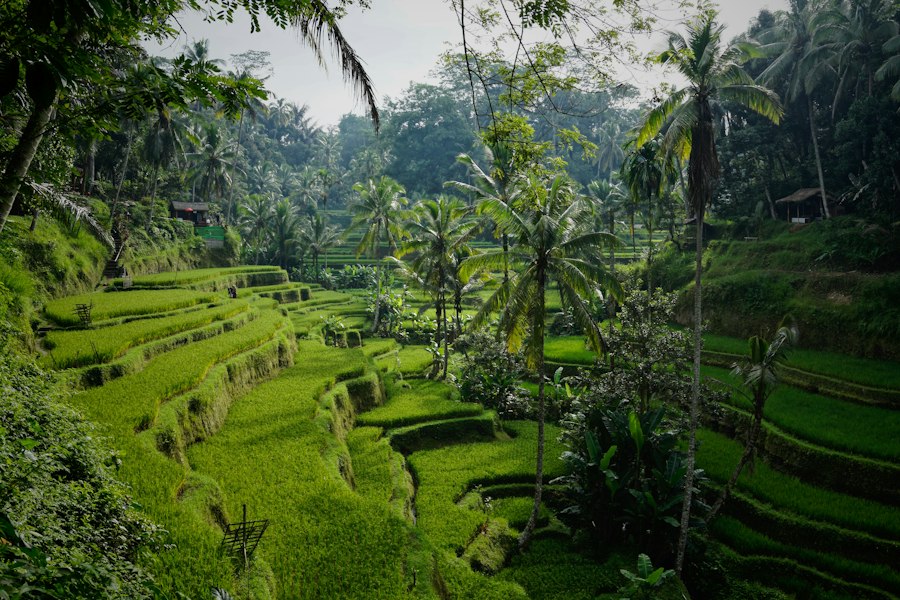
The Tegalalang rice terraces north of Ubud — stunning even with the crowds.
The Waterfalls Nobody Talks About
Tegenungan Waterfall near Ubud is fine, but it has a DJ booth and sunbeds now. Skip it. Here are the ones worth the trek:
- Sekumpul: North Bali, genuinely spectacular. Seven falls cascading through jungle. Requires a 45-minute hike down (and back up). Hire a local guide — they'll show you angles you'd never find alone. $15 total including guide fee.
- Nungnung: 500+ steps down. Cold water. Almost always just locals swimming. One of the most beautiful places I've stood in my life.
- Tibumana: Small, accessible, gorgeous. The path runs through a local village — stop and talk to people.
Temples, Ceremonies, and Spiritual Life
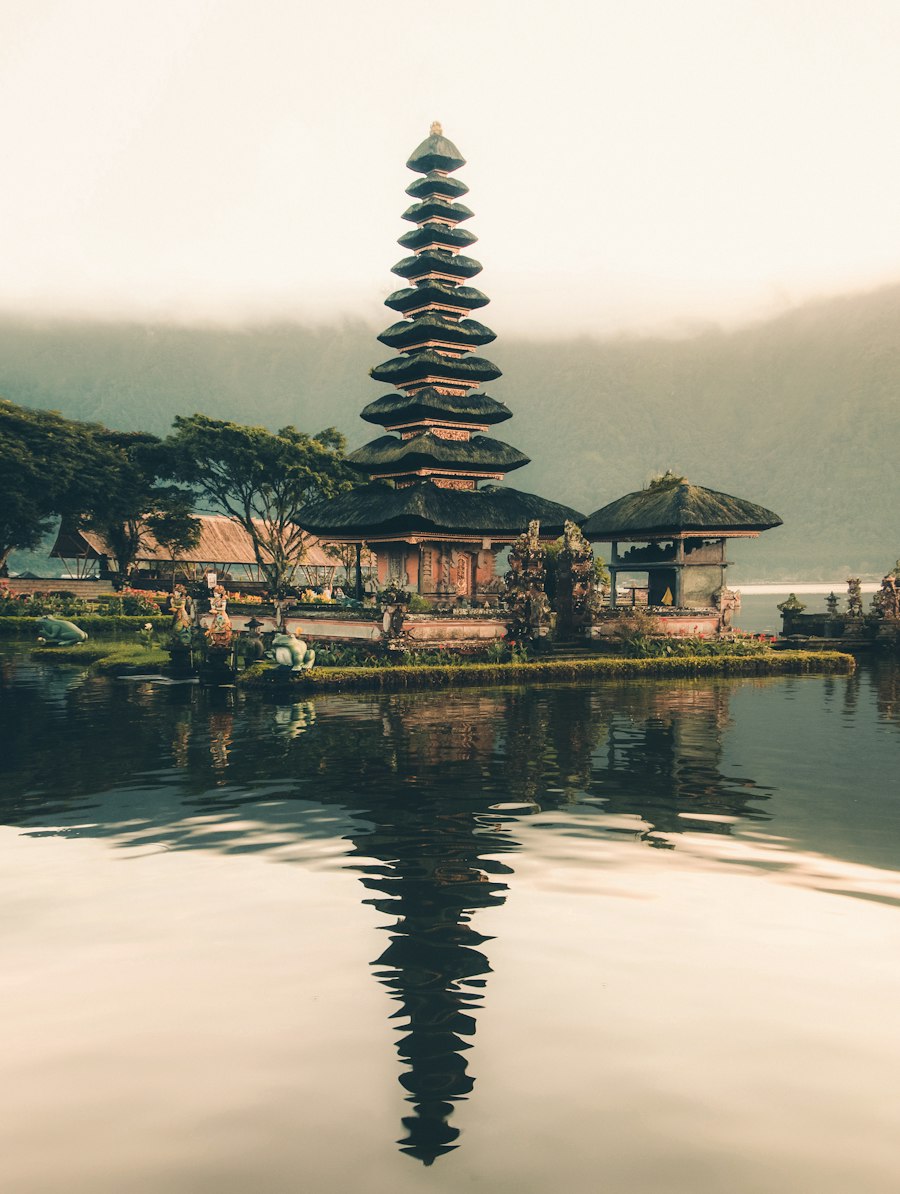
Bali is the only Hindu island in Indonesia, and its spiritual life is extraordinary. There are over 10,000 temples on the island. Every day, women make and place tiny palm-leaf offerings (canang sari) at thresholds, on motorbikes, in shops. You will step on one accidentally. It's fine — just move on respectfully.
Tirta Empul in Tampaksiring is the holiest bathing temple. Arrive before 8am. Dress modestly. You can join the purification ritual — enter the pools, move through each spout in order, submerge three times at each. It is, unexpectedly, genuinely moving regardless of your religious background.
If you're lucky enough to be in Bali during a temple anniversary (odalan) or during Galungan (a festival that happens every 210 days on the Balinese calendar), you'll see processions, offerings stacked five feet high, and gamelan music drifting across rice fields at dusk. These moments are not for tourists — but Balinese people are genuinely welcoming if you observe respectfully.
Evening ceremony at a Balinese temple — these happen constantly across the island.
What to Eat (And Where)
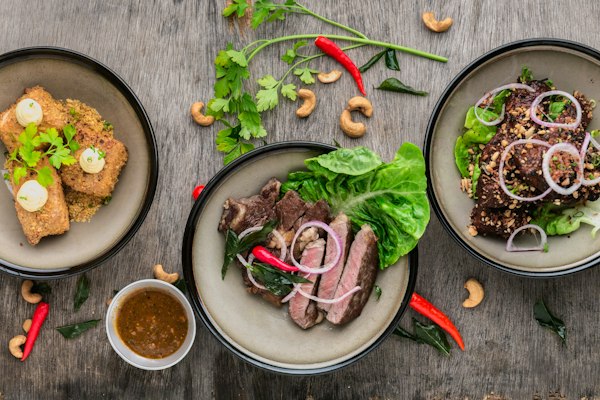
Skip the Instagrammable smoothie bowls (they're fine, just expensive) and go straight to warungs — family-owned roadside restaurants. A full meal of nasi campur (rice with small portions of multiple dishes), sate lilit (minced fish satay), and a bottle of Bintang costs $3–5.
Must-eats: babi guling (suckling pig, only in Ubud and south Bali, only for non-vegetarians), lawar (spiced minced meat and coconut), bebek betutu (slow-cooked duck wrapped in banana leaf, takes 24 hours to prepare, order it a day ahead). For a splurge, Locavore in Ubud remains one of Southeast Asia's finest restaurants.
Getting Around
Rent a scooter if you're comfortable riding one — it's the only way to properly explore. $5–7/day. Use Google Maps offline (download South Bali and Central Bali maps). Most roads are fine; a few in the north are steep and potholed — take them slowly. Taxis: use Grab (the Southeast Asian Uber), not the local taxis who quote tourist prices.
Practical Info
- Visa: Most nationalities get 30 days free on arrival; extendable once for $35.
- Currency: Indonesian Rupiah. Withdraw from bank ATMs, not money changers on the main tourist streets.
- Budget: $50–70/day covers comfortable guesthouse, three meals, scooter, and entry fees. $30/day if you're careful.
- Safety: Very safe overall. Biggest risks: traffic accidents on scooters, and stomach issues from ice made with tap water — stick to bottled or ask specifically.
Sarah has visited 43 countries across six continents and has a particular obsession with Southeast Asia. She's been to Bali four times and is planning a fifth. Follow her on Instagram @sarahlin.travels for daily inspiration.