Cherry blossom season in Kyoto lasts approximately 10 days. The trees don't consult your schedule. Hotels book out 12 months in advance. Half of Japan descends on the city simultaneously. And despite all of this, it is one of the most profoundly beautiful things I have ever seen. Here's how to do it right.
Hanami — the Japanese tradition of "flower viewing" — is not a tourist invention. It is a 1,300-year-old cultural practice rooted in Buddhist ideas about the impermanence of beauty. The cherry blossom (sakura) blooms for roughly two weeks, peaks for 5–7 days, and is gone. The Japanese response to this is to gather under the trees, share food and sake, and pay attention. I think this is one of the most sensible traditions in human culture.
I have been to Kyoto for hanami twice. The first time was poorly planned and still astonishing. The second time was well planned and genuinely life-changing. The difference was mostly logistics. Let me give you the logistics.
When: The Most Important Question
Cherry blossoms in Kyoto typically peak between late March and early April. But "typically" does a lot of work in that sentence. Climate variation means the date shifts by 1–3 weeks from year to year. In 2026, peak bloom hit March 28th. In other years it has been as late as April 8th.
🌸 How to Time Your Trip
The Japan Meteorological Corporation releases the official "Sakura Forecast" (sakura yohou) in January each year. It predicts first bloom and full bloom dates for every major Japanese city, based on temperature modeling. This is the only reliable guide. Plan your flights with 5–7 days of flexibility around the predicted full bloom date if possible. Book accommodation immediately — don't wait for the forecast. Book for the likely window, accept you might arrive 2 days early or 2 days late. The blossom period is still beautiful in the days before and after full bloom.
The 7 Best Hanami Spots in Kyoto
Maruyama Park
Crowded but worth itThe undisputed centrepiece of Kyoto hanami. A weeping cherry tree — the giant shidarezakura — in the middle of the park, lit up at night, surrounded by hundreds of hanami picnics. This is Kyoto cherry blossom as a full cultural spectacle. Go at 7am for quiet beauty, or 8pm for the lantern-lit evening experience. Do both.
Philosopher's Path (Tetsugaku-no-michi)
Moderately crowded, very beautifulA 2km canal-side path lined with hundreds of cherry trees. Walk it north to south in the morning (light comes from the east). The canal reflects the blossoms when the water is still. Nishida Kitaro, the philosopher who gave the path its name, walked this route daily for decades. You will understand why.

The Philosopher's Path in morning light — arrive before 8am to have it almost to yourself.
Kiyomizudera Temple Grounds
Very crowded, go at dawnThe famous wooden stage temple on a hillside east of the city is surrounded by sakura and offers a view over Kyoto's skyline framed by blossoms. It is spectacular and it is busy. Go at 6am when the temple opens. You will have the terrace almost to yourself for 45 minutes. By 8:30am it is crowded. By 11am it is impossible.
Nijo Castle Grounds
Less crowded than expectedA UNESCO World Heritage Site with excellent cherry trees and — crucially — far fewer visitors than Maruyama or Arashiyama. The castle moat lined with blossoms is genuinely extraordinary and photographers love the reflections. The night illuminations during sakura season are worth staying late for.
Arashiyama
Crowded but spectacularThe bamboo grove area in Arashiyama has sakura lining the Katsura River and the Togetsukyō bridge. The combination of mountains, river, and blossoms is one of Japan's classic views. Take the Sagano Scenic Railway (Torokko train) through the mountains if running during your visit — the views from the gorge are extraordinary.
"The Japanese have a word, mono no aware, that roughly translates as 'the pathos of things' — the bittersweet appreciation of impermanence. Standing under falling cherry petals, you understand this completely without needing to have it explained."
Fushimi Inari at Dusk
Fewer crowds after 5pmThe famous 10,000 torii gates winding up the mountain have cherry trees along the lower section. The combination of red-orange gates and pink blossoms is almost surreally beautiful. Most tourists leave by 4pm; start your hike at 5pm and you'll have the upper gates to yourself as the light turns golden. Bring a headlamp for the descent.
Daigoji Temple (Less Visited)
Locals' secretSlightly south of the main tourist circuit, Daigo-ji is one of Kyoto's finest temples and has one of the best cherry blossom displays in the city. Because it requires a short train ride, the crowds are a fraction of the main spots. Toyotomi Hideyoshi held his famous "Daigo Hanami" flower-viewing party here in 1598. You can drink sake under the same trees.
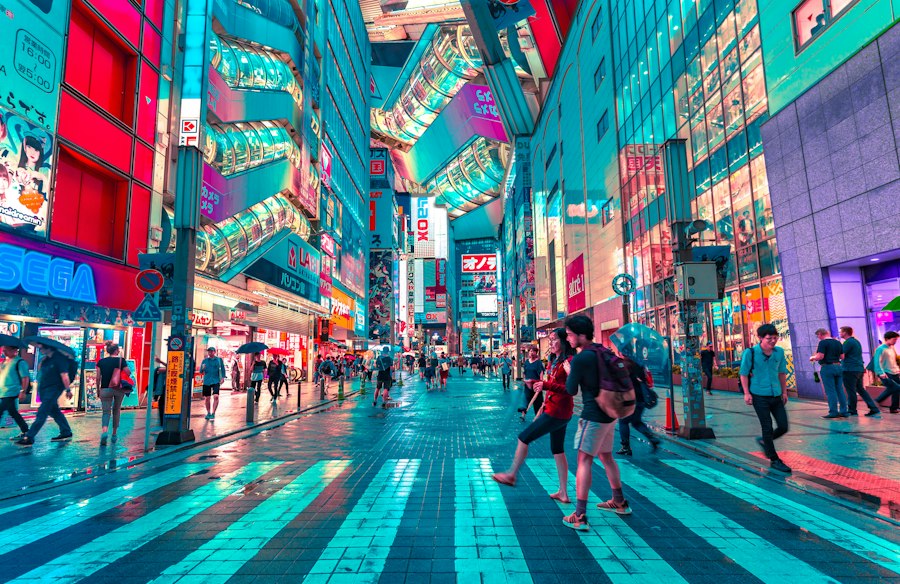
Night illuminations (yozakura) — many parks and temples light their trees after dark, transforming them entirely.
The Planning Checklist
12 Months Before
- Book accommodation. Kyoto ryokan (traditional inns) sell out 12+ months before. Budget: $80–150/night for a good ryokan. International hotel chains are more available but miss the point.
- Identify the sakura window (late March to early April) and block out 10 days.
January (When the Forecast Releases)
- Check the Japan Meteorological Corporation sakura forecast
- Adjust flights if your dates don't align — a 3-day shift can be the difference between peak bloom and bare branches
On the Ground
- Buy an IC card (Suica or ICOCA) for all public transport — tap on, tap off, works everywhere
- Download the Hyperdia or Google Maps transit app for train routing
- Arrive at popular spots before 8am — crowds are city-shaping during sakura season
- Pack layers — late March in Kyoto ranges from 8°C (night) to 18°C (afternoon)
- Buy a convenience store bento and eat your hanami picnic under the trees like a local
Practical Info
- Getting to Kyoto: Fly into Osaka Kansai (KIX) or Tokyo Narita/Haneda. From Tokyo: the shinkansen to Kyoto takes 2h 15min ($130 each way, covered by JR Pass).
- JR Pass: Worth it if you're combining Kyoto with Tokyo and other cities. 7-day pass ($400) covers shinkansen and most trains.
- Budget: Kyoto is expensive. Budget $150–200/day for accommodation, meals, transport and temple entries during sakura season. Eating at convenience stores and ramen shops brings this down significantly.
- Temple entry: Most major temples charge $5–10 entry. Some add sakura-season premiums. Philosopher's Path and Maruyama Park are free.
- Crowds: Accept them. The Japanese management of large crowds is masterful — you will rarely feel unsafe or crushed. The early morning strategy eliminates most of the problem for the key sites.
Sarah has visited 43 countries across six continents and has been to Japan four times. She's chased cherry blossom twice and would go back tomorrow. Follow her on Instagram @sarahlin.travels.