Marrakech doesn't ease you in. One minute you're stepping off a plane in 38-degree heat; the next you're in a labyrinth of alleyways where everything is for sale, nothing has a price, and every direction looks the same. It is completely overwhelming. And then, about two hours in, you realize you love it.
I've visited Marrakech three times. The first time I was intimidated by everything — the relentless hustle, the disorientation, the sensory overload of 900 years of a functioning medieval city still operating at full volume. The second time I understood it. The third time I was sad to leave. Here is what took me three visits to learn.
The Medina: What You're Walking Into
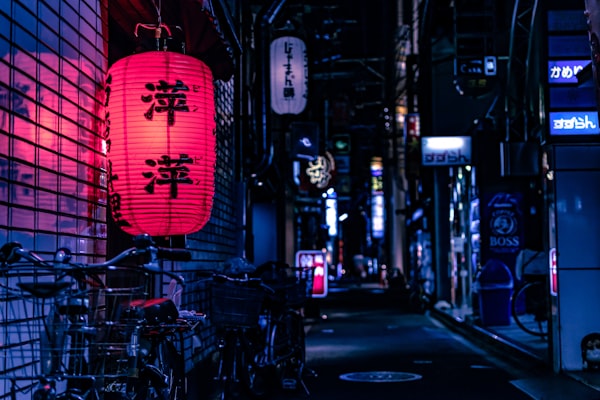
The Marrakech medina (old city) was founded in 1062. It is a UNESCO World Heritage Site and home to roughly 200,000 people who actually live there — not a tourist construct, but a living, breathing city that happens to have a few million visitors walking through it each year. The souks (markets) are organised into quarters by trade, just as they have been for centuries: spice sellers in one area, leather workers in another, carpenters here, weavers there. Getting lost is guaranteed. Getting found takes longer than you'd expect. This is the correct way to experience it.
6 Food Experiences You Cannot Miss
Djemaa el-Fna at Dusk: The World's Greatest Food Theater
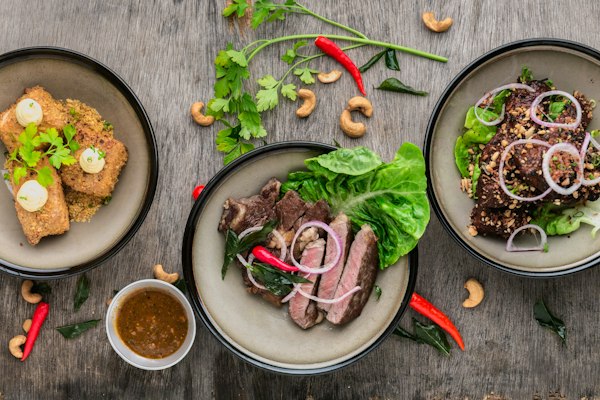
Every evening, the main square transforms into the most extraordinary open-air restaurant on earth. Hundreds of food stalls materialise as the sun sets — snail soup, grilled merguez, sheep's heads (yes, really), fresh-squeezed orange juice for 4 dirhams ($0.40), and harira soup. Stall holders compete aggressively for your custom. Accept their energy, ignore the pressure, look for the stalls with the longest queues of locals. Eat the snails (bissara). They are magnificent and you would never order them at home.
📍 Djemaa el-Fna square, after 6pmLamb Tagine from a Riad Kitchen
The best tagine you'll eat in Marrakech won't come from a restaurant — it'll come from a riad guesthouse that offers communal dinner. Slow-cooked lamb with preserved lemon and olives, falling off the bone after four hours, served with Moroccan bread to mop the sauce. If your riad doesn't offer dinner, ask the owner where they eat. They will tell you somewhere with no signage and no English menu. Go there.
📍 Ask your riad — or Café des Épices for a reliable version
The spice souk — saffron, ras el hanout, preserved lemons, and every colour you can imagine.
Mint Tea: The Ritual
Moroccan mint tea (atay) is not a drink — it's a ceremony. Strong green tea, fresh spearmint, a great deal of sugar, poured from height to create a froth. It will be offered to you constantly: by shop owners who want to sell you something, by carpet sellers, by anyone who wants 20 minutes of your time. Sometimes accept. The tea is always good, the conversation usually interesting, and you don't have to buy anything. Saying "shukran" (thank you) and leaving respectfully is entirely normal.
📍 Everywhere, always free, always offeredMsemen: The Breakfast That Will Change You
Msemen are flaky Moroccan flatbreads, folded and pan-fried until crispy and layered. Eaten for breakfast with argan oil and honey, or stuffed with kefta (spiced minced lamb). Find a local bakery in the medina before 9am — they're baking fresh and the queue of locals tells you which one. This costs 3–5 dirhams (about $0.30). It is more satisfying than anything in a hotel buffet will ever be.
📍 Any bakery in Bab Doukkala or Mouassine neighbourhoodNavigating the Souk Without Losing Your Mind
"The souk is designed to disorient you. This is not malicious — it's medieval city planning. The winding alleys provided shade, reduced wind, and made the city defensible. They also make it extremely easy to lose your bearings entirely."
Practical navigation tips:
- Download offline maps before you enter. Maps.me has the medina mapped reasonably well. Google Maps works but is less reliable in narrow alleys. Know your riad's address in Arabic — show it to a local if you're completely lost.
- Use the minarets as landmarks. The Koutoubia Mosque minaret is visible from most of the medina. It's to the west. Know this.
- Say no firmly and walk. The persistent "guide" offers and shop invitations respond only to confident, polite refusal and continued walking. "La shukran" (no thank you) and eye contact is the formula. Don't be rude; don't engage.
- The "free map" guides: Young men who offer to show you around for free will expect money at the end. If you want a guide (which can be excellent), agree on a price upfront. The official guides at the tourist office are worth the fixed fee for a half-day.

A traditional riad — the inward-facing courtyard design keeps the interior cool despite the heat outside.
The Tanneries: Marrakech's Most Photogenic Industry
The Chouara Tannery is the oldest in Marrakech and one of the oldest in the world, operating since the 11th century using methods virtually unchanged since then. Workers stand knee-deep in pits of pigeon dung, quicklime, water, and dye to soften and colour the leather. It is extraordinary to witness and smells exactly as you'd expect (they give you mint sprigs at the viewing balconies for a reason).
You access the tanneries through leather shops on Rue de Bab Debbagh — the shop owners will wave you up to their terrace for the view, then invite you to look at their leather goods. This is the deal: you see the tanneries for free, they get a chance to sell to you. You can look and leave. Or you can buy — the leather quality here is genuinely excellent and prices, after bargaining, are fair.
The Bargaining Rules
Bargaining in the souks is expected, normal, and actually a form of social interaction — not confrontational combat. A few principles:
- The first price is usually 2–4x the fair price. Counter with 30–40% of the opening offer.
- Walking away is your most powerful move. If they call you back, the price will drop significantly.
- Never start bargaining on something you don't genuinely want to buy. It wastes everyone's time and creates bad faith.
- Settle on a price before you pick up the item. Once it's in your hands, the psychology shifts.
- $5–10 for a handmade leather good is fair. $2 is insulting. Don't insult people whose livelihood depends on their craft.
🧭 The Riad: Marrakech's Best Accommodation Secret
A riad is a traditional Moroccan house built around an interior courtyard garden. Staying in one is the only way to experience the medina from the inside. They range from $40/night for a modest but beautiful room to $400+ for a luxury restoration. The moderate range ($70–120/night) gives you exceptional value — courtyard pools, roof terraces, home-cooked breakfasts, and a quietness that is astonishing given the chaos outside the door.
Practical Info
- Getting there: Marrakech Menara Airport is 6km from the medina. Petit taxis are metered and should cost 50–70 dirhams ($5–7). Insist on the meter.
- Currency: Moroccan Dirham (MAD). ~10 MAD = $1. Many places now take cards but cash is essential for souks, street food, and tips.
- Best time: March–May and September–November. July–August is brutally hot (42°C+). Ramadan is a fascinating but different experience — many restaurants closed during the day.
- Safety: Very safe for tourists. The main risks are petty theft (keep your bag in front of you in the souk) and scams (the fake guide, the "carpet school" invitation). Be alert, be polite, don't be paranoid.
- Budget: $60–90/day for a comfortable medina riad, three meals (including one sit-down dinner), transport and activities. The souks will test your wallet — set a souvenir budget before you enter.
Emma is a food-first traveler who plans entire itineraries around what she wants to eat. She's eaten street food in 29 countries and writes about food culture from the ground up. Instagram: @emma.eats.world